

Citizens flag corruption in municipal services; MLA pulls up officials over pending files.
Deadline set for resolving PID, e-Aasthi, water supply and garbage-related grievances.
Ebelagavi Report
Belagavi:
Listening to people’s grievances is one part of public service. Taking up those grievances in the presence of officials and seeking answers from them is another. The public outreach meeting organised by Belagavi South MLA Abhay Patil reflected this approach to responsive administration.
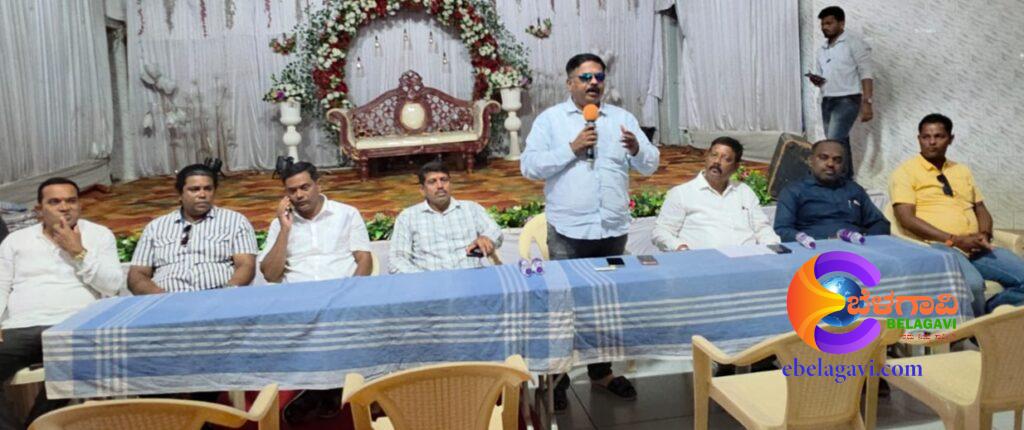
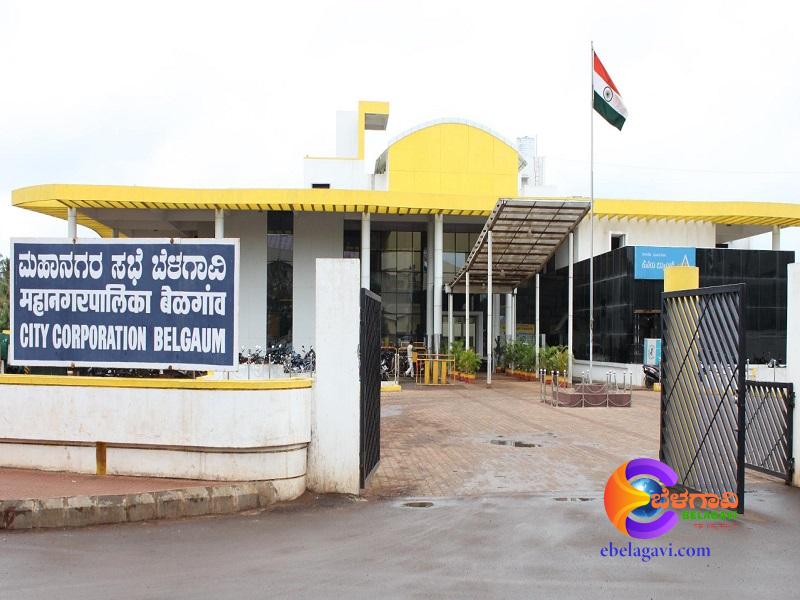
The meeting drew a strong response from residents, with a large number of civic complaints being raised. Issues related to regular water supply, garbage disposal, roads, drains and streetlights were placed before the MLA. Citizens also complained about delays, harassment and alleged corruption in matters related to PID and e-Aasthi services in the Belagavi City Corporation.
MLA sits among people, seeks answers from officials.
A key feature of the meeting was that Mr. Patil did not merely receive complaints and forward them to the departments concerned. As soon as complaints were raised, he called the officials concerned and questioned them on the spot.
He sought to know why files were pending, what had caused the delay, and why work had not been completed despite proper documents being submitted by citizens.
In some cases, directions were issued for immediate relief. In others, clear deadlines were fixed for officials to resolve the issues. Mr. Patil made it clear that an administration that keeps citizens waiting at the doors of government offices cannot be accepted.
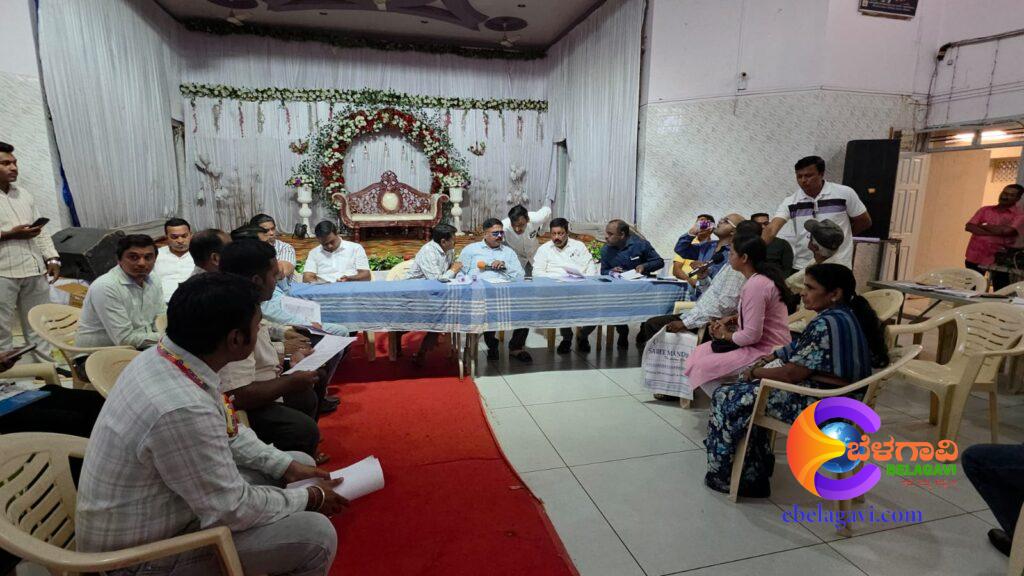
Complaints with documents against South Zone office
Several serious allegations were made against the South Zone Commissioner’s office of the Belagavi City Corporation. Citizens alleged that they were being unnecessarily harassed in matters related to PID, e-Aasthi, name change and correction of tax records.
Some residents brought documents to the notice of the MLA to support their complaints. The anger of citizens was evident, with many alleging that files moved only when money was paid, while ordinary people were forced to run from one office to another.
Taking the allegations seriously, Mr. Patil sought explanations from the officials concerned and warned that such complaints should not recur.

Follow-up ordered on water, waste and civic services
Complaints related to disruption in regular water supply, garbage accumulation, lack of cleanliness, drainage problems and poor maintenance of streetlights also figured prominently at the meeting.
Mr. Patil directed officials not to treat these as routine complaints, but to conduct ward-wise inspections and initiate corrective action. The meeting gave citizens a sense of assurance that their grievances would not remain confined to paper, but that officials would be held accountable in their presence.
More than outreach, a test of citizen-centric governance
Political meetings are common. But a platform where citizens come with documents, place their complaints directly before an MLA and seek answers from officials is relatively rare.
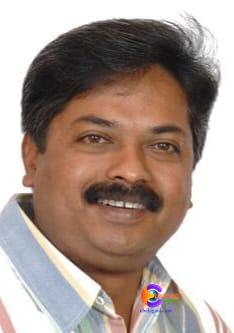
in that sense, Mr. Patil’s public outreach meeting emerged as an example of citizen-centric governance.
The allegations of harassment and corruption in the civic body are serious. Equally significant, however, was the MLA’s decision to take immediate note of the complaints and insist on action.
The real test for officials has now begun. If the issues are resolved within the deadlines fixed by Mr. Patil, the meeting will be remembered as a model of public outreach. Otherwise, the next such meeting may turn sharper against officials.
Girish Dhongadi, Anand Chavan, Raju Bhatkhande, Jayant Jadhav and others were present.